
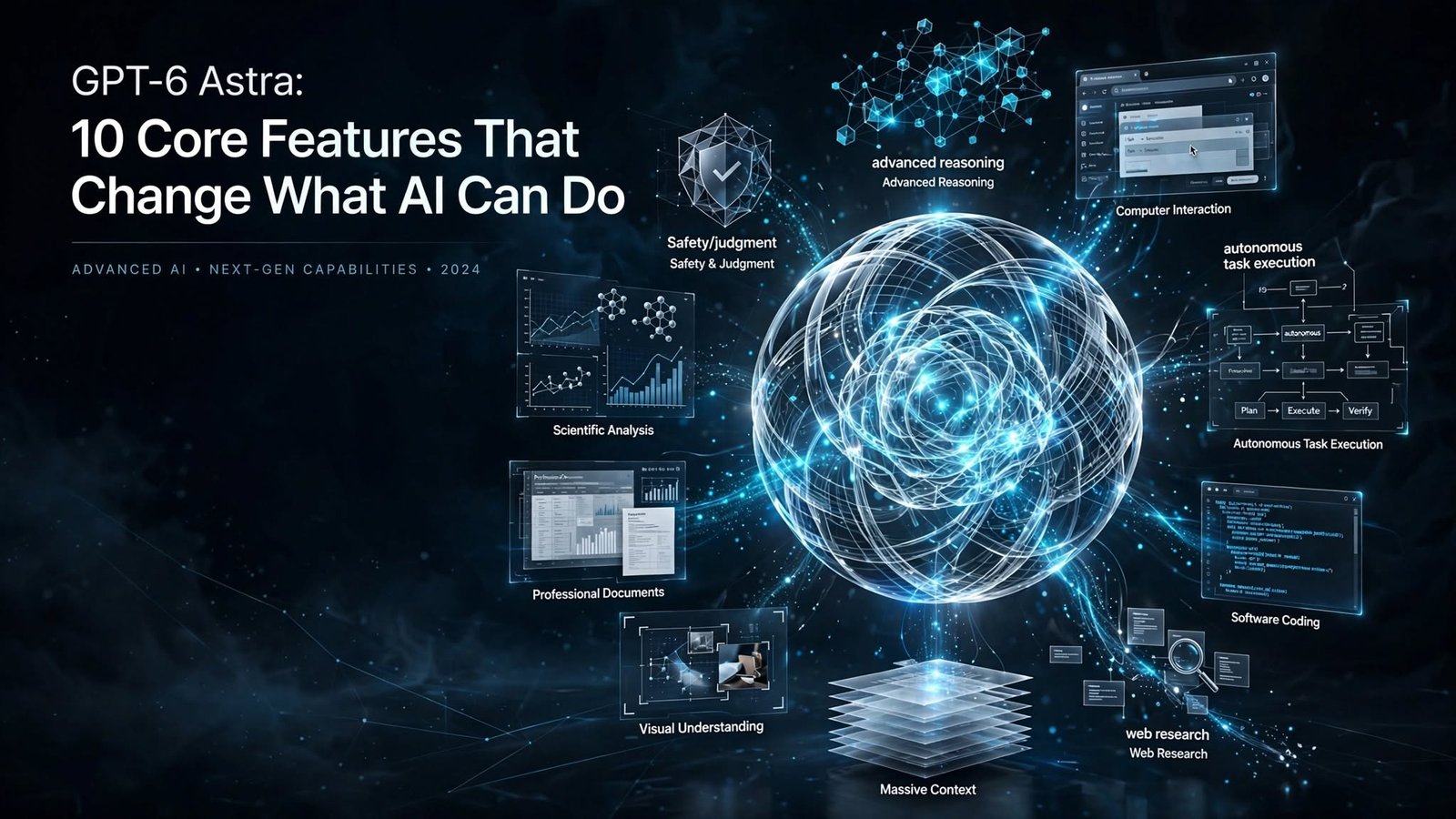
OpenAI’s GPT-6 Astra isn’t simply another upgrade to a chatbot. It is designed to handle complex work that combines reasoning, tools, computer interaction, coding, research, and document creation.
OpenAI describes Astra as its most capable model, built for the hardest end-to-end tasks. It can reason through difficult problems, use computers, browse the web, write and work with code, analyze information, and create professional documents and presentations.
But what exactly makes GPT-6 Astra different?
Here are 10 core features that define the new model.
1. Advanced Reasoning
The first major feature is stronger reasoning.
GPT-6 Astra is designed to handle problems that require multiple steps of thought rather than simply producing an immediate answer. OpenAI’s API provides several reasoning-effort levels—low, medium, high, xhigh, and max—allowing developers to choose how much reasoning to apply to a task.
This becomes particularly useful when the problem involves competing requirements, complicated decisions, technical analysis, or multiple pieces of information.
For example, instead of simply answering:
“What is the best solution?”
Astra can work through the constraints, compare alternatives, identify potential problems, and arrive at a more carefully reasoned result.
OpenAI says Astra reaches state-of-the-art performance across several demanding reasoning and technical evaluations, including FrontierMath Tier 4 and ARC-AGI-3.
Why it matters: Astra is designed to spend more effort on difficult problems instead of treating every request like a simple question-and-answer interaction.
2. Computer Use

One of Astra’s most important capabilities is its ability to use a computer.
Instead of simply telling you how to perform a task, Astra can interact with software and interfaces to help perform the task itself.
OpenAI gives examples including:
- Filling out online forms
- Updating customer records
- Organizing calendars
- Navigating websites
- Working with applications
- Performing online research
This represents an important shift in how we think about AI.
A traditional chatbot primarily communicates through text.
A computer-using AI can potentially see an interface, decide what needs to happen, interact with it, check the result, and continue.
That makes Astra much more useful for repetitive digital work.
Why it matters: AI is moving from answering questions to interacting with the software people use every day.
3. Multi-Step Task Execution

Astra is designed to handle complex tasks from beginning to end.
OpenAI describes it as combining reasoning, coding, computer use, research, and document creation so it can take a task from an initial request toward a finished result.
Imagine asking:
“Research my competitors, compare their products, analyze their pricing, create a spreadsheet, and prepare a presentation.”
That’s not one task.
It’s a chain of tasks.
Astra can combine different capabilities throughout that workflow rather than requiring the user to manually guide every individual step.
This is one of the clearest examples of the transition from chatbots to AI agents.
The AI isn’t just producing one response.
It is attempting to complete a larger objective.
Why it matters: Users can describe the goal rather than manually controlling every step.
4. Advanced Coding and Software Engineering
GPT-6 Astra is also designed for demanding software-engineering work.
OpenAI lists software engineering among Astra’s state-of-the-art capabilities.
That means its role can extend beyond generating small pieces of code.
It can help with larger workflows involving:
- Understanding codebases
- Writing new functionality
- Debugging
- Testing
- Refactoring
- Working with development tools
- Investigating technical problems
A particularly interesting example comes from game development.
OpenAI reports that Playco used GPT-6 Astra to create multiple game prototypes and reported 50% fewer manual fixes compared with its previous model.
The important part isn’t the specific percentage—it is the workflow.
Astra can work inside development environments, make changes, test those changes, identify problems, and iterate.
Why it matters: AI coding is becoming less about generating snippets and more about participating in the entire software-development process.
5. Web Browsing and Deep Research
Another major feature is Astra’s ability to conduct research using the web and other tools.
OpenAI says Astra can conduct online research and then turn the results into useful outputs such as summaries in documents or email.
A research task can involve several stages:
Search → Read → Compare → Analyze → Verify → Summarize
The ability to combine these stages is what makes the feature powerful.
For example, instead of asking an AI to explain five competitors based only on its existing knowledge, you could have it investigate their current websites, compare their products, analyze differences, and organize the findings.
Why it matters: Astra can connect information gathering with reasoning and final output instead of treating research as a separate activity.
6. Huge Context Window

GPT-6 Astra supports a 1.05-million-token context window and up to 128,000 output tokens in the OpenAI API.
That’s an enormous amount of information for a single workflow.
A large context window is particularly useful when working with:
- Large codebases
- Long reports
- Research papers
- Technical documentation
- Business records
- Large collections of files
- Complex project instructions
Instead of repeatedly breaking information into small pieces, developers can provide much more relevant context to the model.
This doesn’t automatically mean Astra will perfectly understand every million-token input. But the ability to work with such a large context gives developers much more room to build sophisticated applications.
Why it matters: Complex projects often require the AI to remember and reason across huge amounts of information.
7. Vision and Visual Understanding

GPT-6 Astra isn’t limited to text.
OpenAI’s current model documentation supports image input, while the company’s examples demonstrate Astra working with visual interfaces and spatial tasks.
This allows Astra to work with visual information alongside text and other tools.
That becomes particularly interesting in areas such as:
- User-interface analysis
- Website testing
- Game development
- Design workflows
- Visual research
- Computer interaction
- Spatial reasoning
For example, OpenAI’s Playco case study says developers observed improvements in Astra’s ability to reason about space and positioning elements in game engines.
Why it matters: Real-world computer work isn’t purely textual. Understanding what appears on a screen is essential for useful computer-using agents.
8. Professional Document Creation
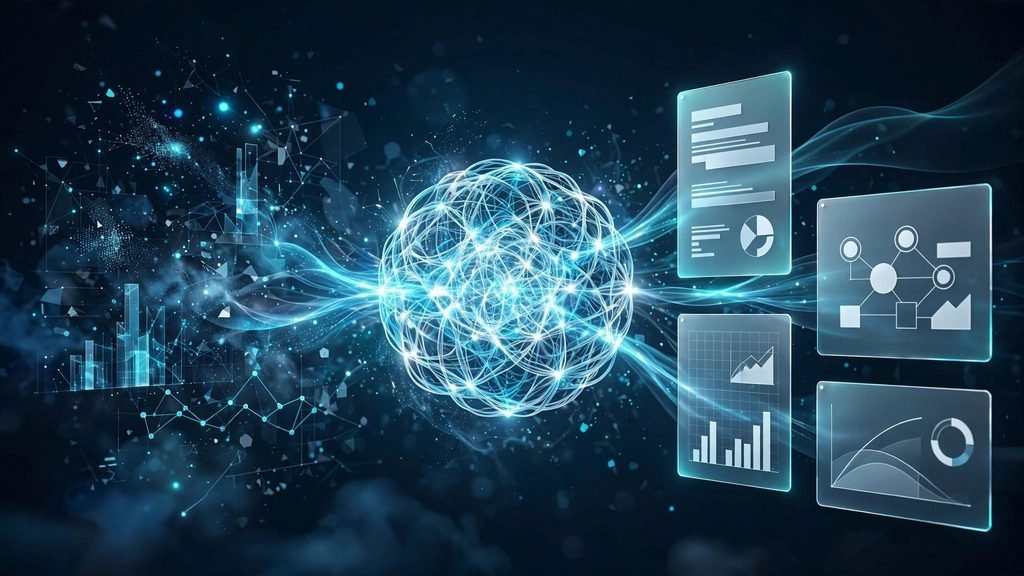
Astra can also create and work with professional documents.
OpenAI says GPT-6 Astra can create documents, spreadsheets, and presentations while following templates and instructions. It can also adapt when requirements change during the task.
That opens the door to workflows such as:
Data → Analysis → Spreadsheet → Report → Presentation
For example, an employee could provide raw business information and ask Astra to analyze it, organize the data, prepare a report, and create a presentation following an existing company template.
The important feature is not simply text generation.
It’s the ability to connect analysis, formatting, instructions, and revisions in one workflow.
Why it matters: AI can increasingly help produce the finished deliverable, not just the words that go inside it.
9. Scientific and Technical Work
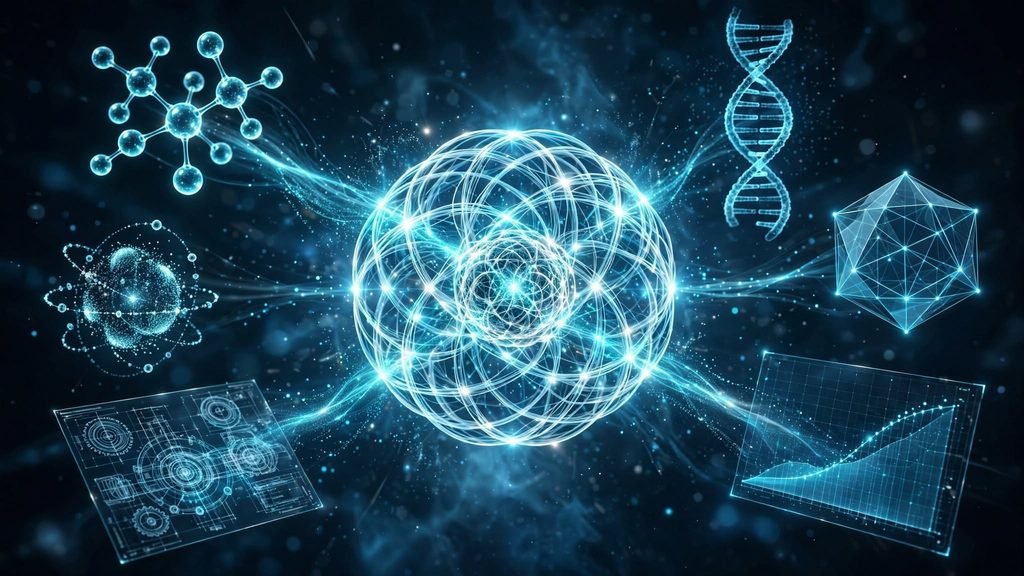
Astra is also designed for demanding scientific and technical workflows.
OpenAI highlights its ability to analyze scientific data, generate plots, create websites, and perform frontend quality checks.
Consider a technical workflow:
- Load a dataset.
- Analyze the information.
- Write code.
- Generate visualizations.
- Interpret the results.
- Create a report.
That’s a combination of reasoning, coding, data analysis, visualization, and writing.
A model that can move between those capabilities can potentially reduce the amount of manual coordination required.
OpenAI also reports that Astra has helped solve long-standing mathematical problems and achieved a 98% score on FrontierMath Tier 4.
Why it matters: The model isn’t designed only for everyday productivity. It is also aimed at advanced scientific and technical work.
10. Better Judgment, Adaptability and Safety

The final feature ties everything together: judgment.
When an AI can use computers and perform multi-step tasks, simply following instructions isn’t enough.
It needs to understand what the user actually wants, recognize when something goes wrong, and adapt when circumstances change.
OpenAI says Astra can create documents, spreadsheets, and presentations according to instructions and adapt when users add requirements or change direction.
OpenAI has also added additional safety monitoring for agentic work. Its release notes say the monitoring can detect potential cases where an agent may not have correctly interpreted instructions and can pause or stop a conversation for review.
This becomes increasingly important as AI systems gain more ability to act.
A chatbot making a bad suggestion is one problem.
An AI agent misunderstanding an instruction and then taking actions on a computer is a much bigger problem.
That’s why Astra’s development isn’t only about increasing intelligence. It is also about making increasingly capable agents safer to use.
Why it matters: The more an AI can do independently, the more important judgment, boundaries, monitoring, and human oversight become.
The Bigger Picture
These 10 features reveal something important about where AI is heading.
GPT-6 Astra isn’t just about producing better answers.
It combines:
Reasoning + Vision + Coding + Browsing + Computer Use + Research + Long Context + Document Creation + Adaptability + Safety
That combination is what makes it different.
The most important change may therefore be the transition from:
“Ask AI a question.”
to:
“Give AI a goal.”
Instead of manually completing every step, users can increasingly describe what they want accomplished and let the AI coordinate the work.
That’s the real significance of GPT-6 Astra.
It represents a move toward AI systems that don’t simply talk about work.
They increasingly perform the work.